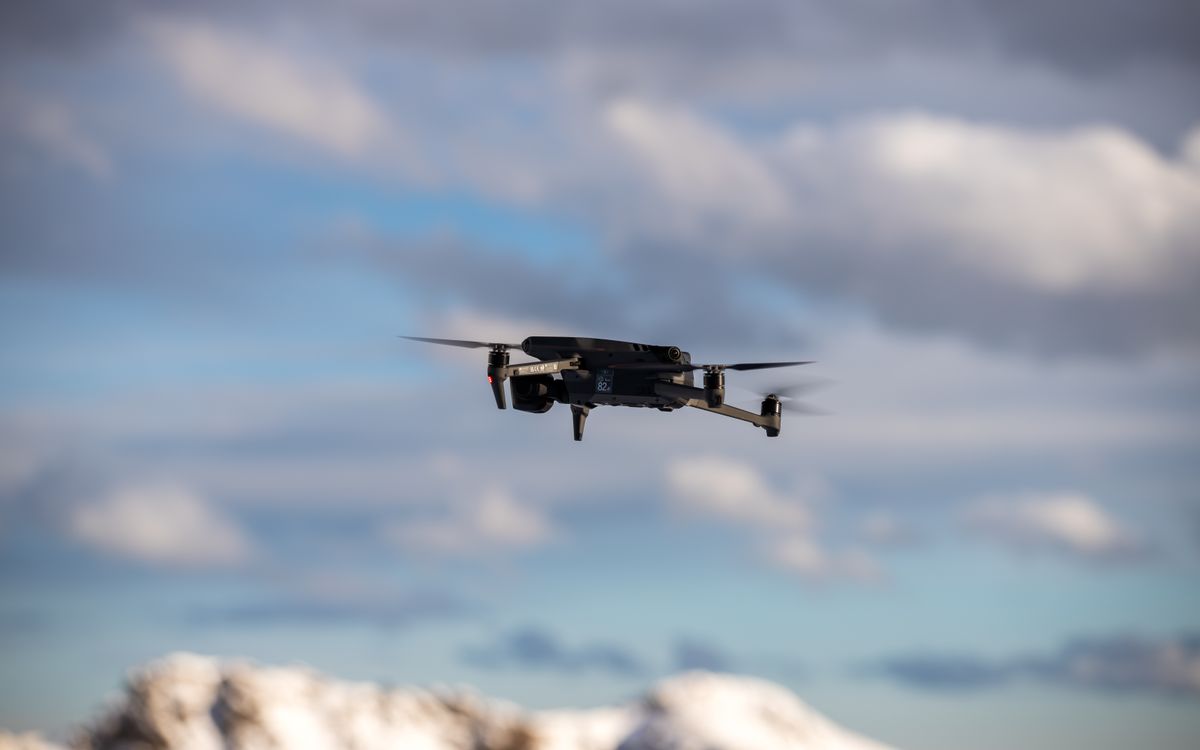
Drone marketing has trained buyers to ask one question: “Is it under 249 grams?” The FAA asks different questions — what the flight is for, how much the aircraft weighs as actually flown, and where you intend to fly. The answers determine whether you need nothing more than a free online test or whether you are committing a federal violation. This guide walks through the US rules for hobby pilots as the FAA publishes them, and separates what the sub-250-gram label genuinely exempts from what it does not.
The two rulebooks: recreation and Part 107
The FAA splits drone flying into two regimes. Recreational flyers operate under the Exception for Limited Recreational Operations of Unmanned Aircraft — Section 44809, a statutory “carve-out” that lets people fly purely for personal enjoyment without a pilot certificate. Almost everything else falls under 14 CFR Part 107, the Small UAS Rule, which requires a Remote Pilot Certificate.
The dividing line is purpose, not payment. The FAA’s own recreational flyer page is explicit that compensation is not the single determining factor: photographing a friend’s house to help them sell it, shooting content for a business, or posting footage that promotes anything you sell all count as non-recreational. The FAA’s advice when in doubt is blunt — assume Part 107 applies. Part 107 has no weight exemption of its own; every drone flown under it is registered individually, including 249-gram models.
Registration: the 250-gram line
Registration is a weight question for recreational flyers: any drone weighing 250 grams (0.55 pounds) or more must be registered with the FAA. The weight that counts is takeoff weight as you actually fly — airframe, battery, propeller guards, anything mounted. Spec sheets sometimes quote a figure without the battery, which is why a drone marketed at “249 g” can cross the line once accessories go on. The FAA advises weighing the aircraft as configured before deciding.
Recreational registration costs $5, runs three years, and one number covers your whole recreational fleet — you are not paying per aircraft. The registration number must be readable on the outside of the drone; a label on the shell qualifies, a number hidden in a battery bay does not. You must carry proof of registration when flying. Since September 16, 2023, the FAA ties Remote ID to this requirement: if a drone requires registration, it must also broadcast Remote ID, with one exception covered below.
TRUST: the test every hobby pilot takes
Registration and the Recreational UAS Safety Test are separate requirements, and pilots routinely conflate them. TRUST is free, taken online through FAA-approved test providers, and required for every recreational flyer regardless of drone weight — a 120-gram toy still obliges you to hold a completion certificate. The test is educational rather than exclusionary: an incorrect answer sends you back through the material and you retake that section until you pass.
One operational detail matters more than the test itself: the providers do not keep your certificate on file. If you lose the PDF, there is no recovery portal — you take the test again. Save it immediately, put a copy on your phone, and carry it when flying, because TRUST requires proof of completion while operating. Pilots who already hold a Part 107 certificate satisfy TRUST automatically; the knowledge test covers it.
Remote ID and FRIAs
Remote ID is the drone’s broadcast beacon: identification, position and control-station location transmitted so that authorities and other airspace users can see who is flying. Since the September 2023 enforcement date, a registered drone must broadcast Remote ID, either built into the aircraft or added via an attached broadcast module. Nearly every current camera drone of registrable weight has Standard Remote ID built in; older hobby aircraft are the typical candidates for a module.
The escape hatch is the FRIA — an FAA-Recognized Identification Area. Drones without Remote ID can fly inside a FRIA’s boundaries, which are typically designated flying fields operated by community organizations. Outside a FRIA, a non-broadcasting drone that weighs 250 grams or more is flying illegally; that is the rule in one sentence.
Where you can fly: airspace, altitude and apps
The rules that actually catch hobbyists are location rules, not weight rules. In uncontrolled Class G airspace, recreational flyers stay at or below 400 feet above ground level. Controlled airspace — Class B, C, D, and surface Class E around airports — requires prior FAA authorization before launch, obtained through LAANC or the FAA DroneZone service. LAANC grants many authorizations in near real time through participating apps.
Checking airspace before every flight is a habit, not a formality. The FAA’s B4UFLY service and LAANC partner apps display controlled-airspace boundaries, temporary flight restrictions and authorization availability. Two universal rules apply everywhere: keep the drone within unaided visual line of sight (a co-located visual observer in direct communication counts), and give way to all other aircraft — helicopters and low-flying planes have right of way over everything you fly.
What the 249-gram label does not exempt
Manufacturers market “under 249 g” because the number dodges exactly one requirement: recreational registration. The FAA’s rules still attach in every other way. A sub-250-gram drone flown for fun still requires TRUST, still must respect airspace authorization and the 400-foot ceiling, still must yield to manned aircraft, and still may not fly over people under most community safety guidelines.
The label evaporates entirely the moment money or business purpose appears. A 249-gram drone filming monetized YouTube content is operating under Part 107: the aircraft must be registered despite its weight, must broadcast Remote ID, and the pilot must hold a Remote Pilot Certificate — a 60-question exam at a testing center with a $175 fee, available from age 16. Hobbyists who later sell a clip or take a paid side job discover this the hard way, so decide which rulebook you are flying under before the flight, not after.
Community-based guidelines: the quiet requirement
The recreational exception contains a condition most buyers never read: follow the safety guidelines of an FAA-recognized Community-Based Organization. CBOs such as the Academy of Model Aeronautics publish the safety codes the FAA recognizes under Section 44809, covering site selection, distance from people, and field etiquette. The FAA’s flyer page lists joining and learning from a CBO as one of its core recommendations.
This is not bureaucratic filler. Legally, the CBO guideline requirement is one of the eight statutory conditions of the exception, and skipping it means you are not operating under the recreational carve-out at all. Practically, CBO guidance is where the rules go from “legal” to “safe”: fields away from crowds, checklists for battery handling, and local knowledge about where manned aircraft routinely operate low.
The cost of getting it wrong
Flying an aircraft that requires registration without one is a federal violation. FAA guidance and enforcement notices cite civil penalties that can reach $27,500 for civil violations of registration requirements, with criminal exposure in egregious cases — figures the FAA publishes to make the point that a $5 registration is the cheapest aviation paperwork in existence. The more common penalties in practice are confiscation warnings at parks, denied LAANC authorizations, and the liability picture after any incident involving an unregistered, un-certificated aircraft.
The good news is that legal recreational flying costs almost nothing: $5 and three years of registration for a drone over 250 grams, a free TRUST certificate, an airspace app, and the discipline to check where you are before you launch. Pair the aircraft with the right storage using our guide to SD card speed classes, and see how current action cameras compare if aerial footage is your primary use case.