Photo & Video
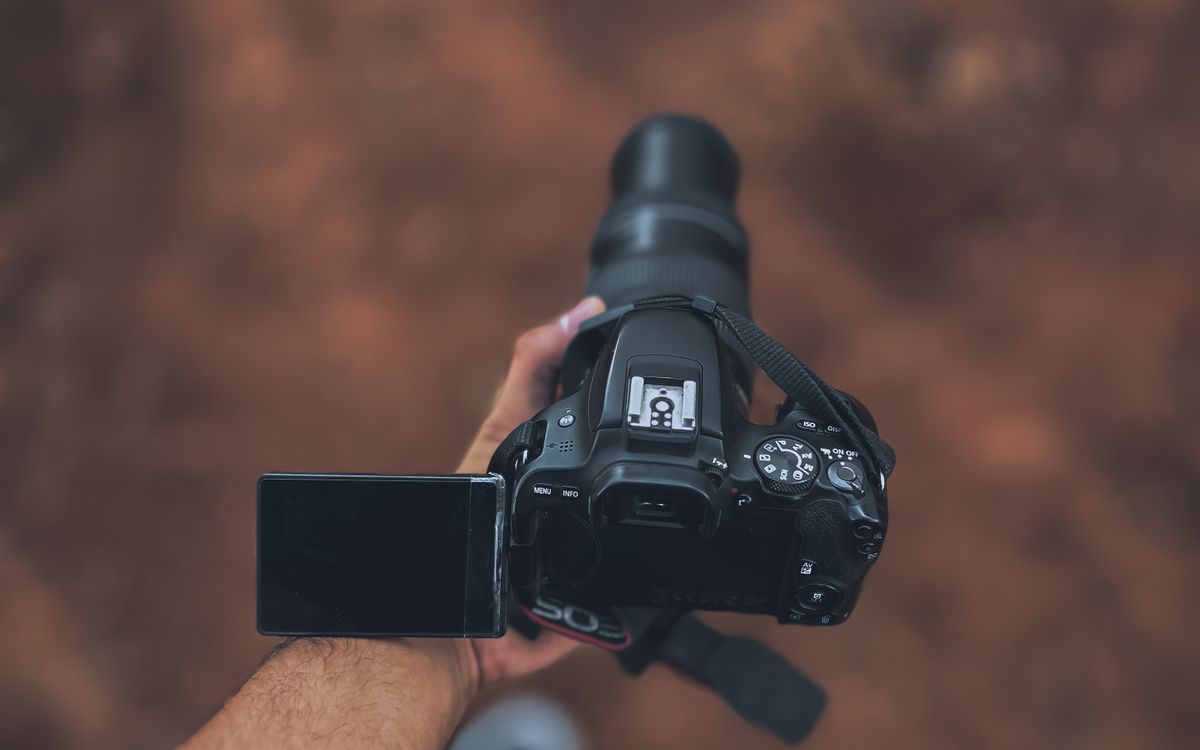
Best Budget Mirrorless Cameras for Beginners (2026)
October 16, 2026
Latest verdict · Audio
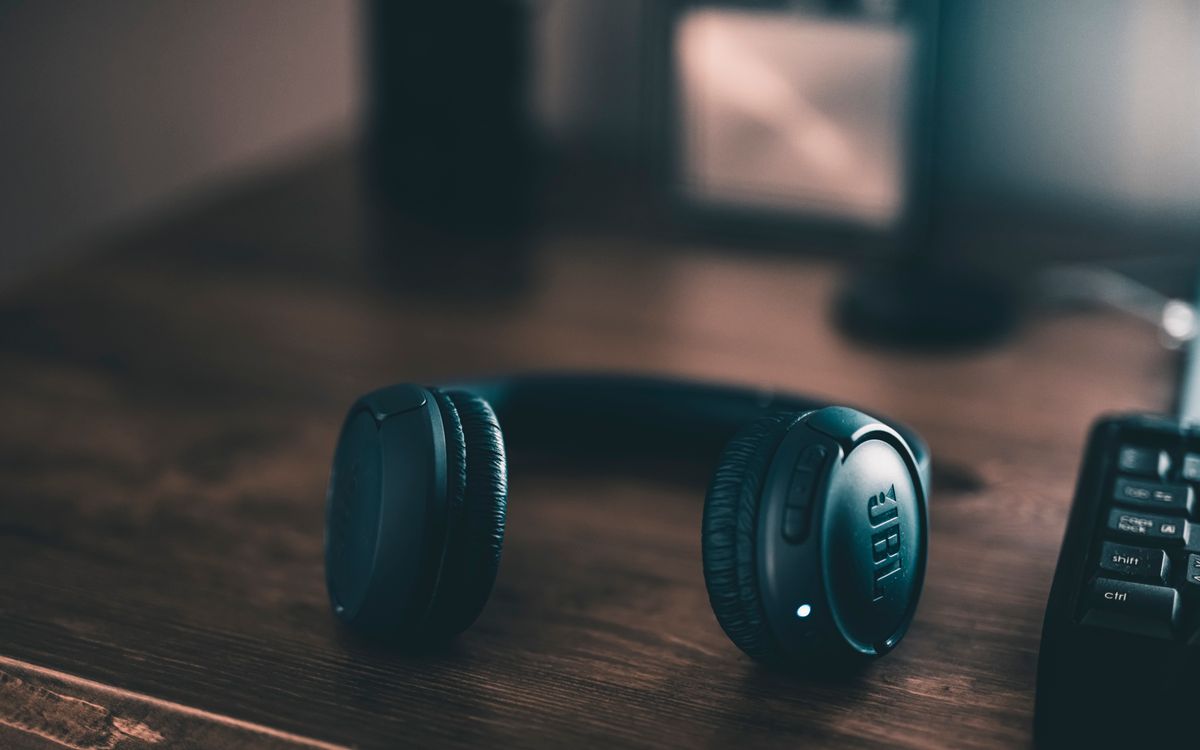
Three noise cancelling headphones compared on verified specs: measured ANC depth, battery conditions, weight, codec support and warranty terms.
October 18, 2026
Photo & Video
Three entry-level mirrorless picks compared on sensor size, stabilization, lens ecosystems, 4K crops and viewfinders, with the real system cost spelled out.
Smart Home
Subscription-free video doorbells with real local storage, compared on cloud-fee economics, field of view, power options and privacy, with three picks.
Every recommendation on this site has to survive the same three filters before it earns a spot on a page.
01 · Specs before stories
We read the actual specification sheets — driver sizes, panel brightness, sensor sizes, battery chemistry — and we show the numbers we based a call on.
02 · Sources you can check
Claims are anchored to manufacturer documentation, published lab measurements and named reviews. If a number can't be traced, it doesn't get printed.
03 · Failure modes included
A verdict that doesn't say when a product is the wrong choice isn't a verdict. Every recommendation names its own disqualifiers.
Photo & Video
October 16, 2026

Smart Home
October 15, 2026

Computing
October 14, 2026
Smart Home
Updated October 10, 2026
Buying guide · Buying Guides
When phones, laptops, TVs, cameras and headphones actually hit their price floors, and why Black Friday is less important than the release calendar.
Read the guide

Computing
Charge-cycle math, 80% limits, heat, storage levels — what lithium-ion degradation research shows, which laptop battery habits matter, and which myths to drop.

Smart Home
Wi-Fi, Bluetooth and Thread bulbs compared without a hub: router load, cloud dependency, lumen and CRI literacy, and when you actually need a border router.

Photo & Video
What FAA rules actually require of recreational drone pilots: registration thresholds, TRUST, Remote ID, airspace apps and what the 249 g label does not exempt.

Audio
Why small ears reject most earbuds: nozzle length and diameter, shell geometry, weight distribution and tip materials, plus fit tests that actually work.
Not the highlights. We check what a vendor omits — PWM dimming, codec licensing, subscription requirements — because omissions are where budgets hide.
Lab measurements from named outlets, standards documents, owner-reported failure patterns. We quote sources so you can verify every number.
A cheap device with a required subscription is not cheap. Verdicts account for consumables, fees and realistic lifespans.
Every pick comes with the situations where it's the wrong tool. A recommendation you can't talk out of isn't a recommendation.
"Spec sheets are written to be scanned. We read them to be understood."
Device Verdict is an independent review publication. Learn how we work in How We Test and Editorial Standards.