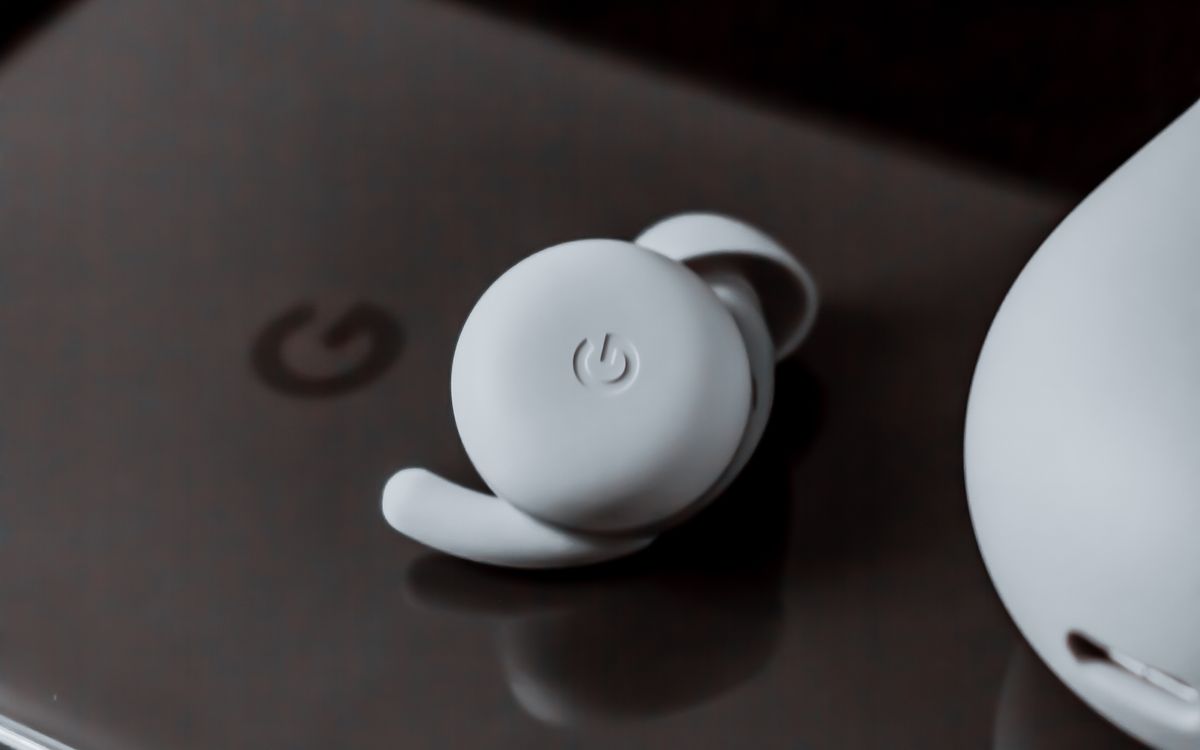
Every earbud marketing page shows the same image: a sculpted plastic shell next to a stylized ear, implying that months of ergonomic research delivered a universal fit. What the image hides is that earbud shells are designed around an average canal size and concha shape, and anatomy that sits away from that average — smaller in particular — turns the marketing claim into a recurring ache. The useful response is not hunting for the one model claiming “ergonomic” loudest, because no standard backs that word. It is understanding the four physical variables that determine fit, checking hardware against them, and running fit tests that produce actual evidence instead of hope.
The four geometry variables that decide fit
Earbud comfort reduces to four measurable properties of the hardware, and none of them appears on the box. Nozzle diameter — the rigid tube the tip mounts on — determines whether the tip can compress to your canal width at all; common nozzles run roughly 5.5–6.5 mm, and anything above about 5 mm tends to cause soreness within an hour for genuinely narrow canals. Nozzle length decides insertion depth: a long nozzle bottoming out against a shallow canal produces deep, dull pressure that no tip material relieves.
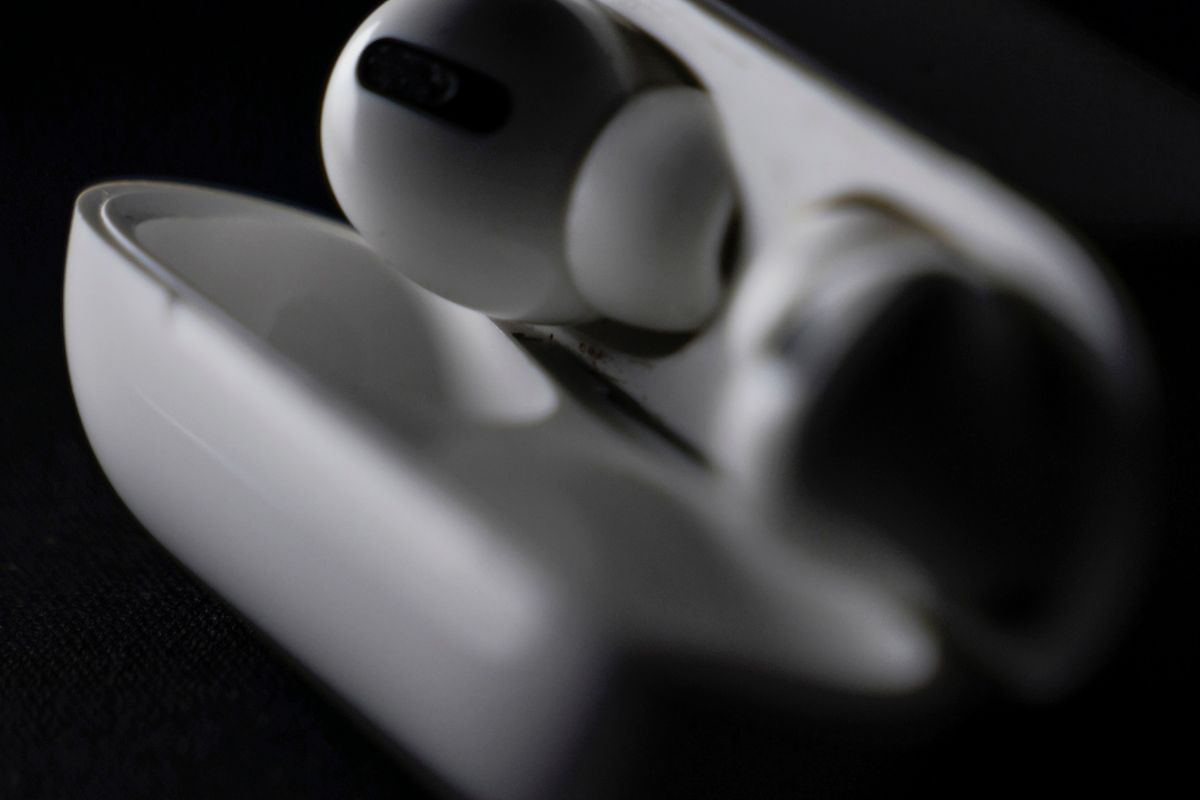
Shell size and shape govern what rests against the concha, the outer bowl of the ear. A large or angular housing contacts cartilage that was not built to bear it, and the discomfort compounds over hours. Weight matters mostly as distribution: a light bud with its mass concentrated near the canal entrance stays put, while a heavier body on a long stem converts every head movement into leverage working the bud loose. Sub-5-gram-per-bud designs exist, and the difference against 7-gram hardware shows up precisely in the last hour of a long session.
Why “ergonomic” on the box means nothing
There is no industry standard for the word. No certification, no measurement protocol, no independent body verifies that a shell branded ergonomic fits more people than an unbranded one — the term describes design intent, not a verified outcome. Ear canal entrances, canal angles and concha shapes vary widely between individuals, and every manufacturer designs for a statistical middle that belongs to nobody in particular.
The verifiable alternatives are printed elsewhere on the spec sheet. The physical dimensions of the bud (height, width, depth in millimeters) exist for every product and can be compared directly. Tip size range is checkable: brands that include extra-small tips in the box have made a concrete engineering commitment that “ergonomic” claims do not require. In-app fit tests, which play tones and analyze the seal acoustically, convert fit from a feeling into a measurement. Those are the four claims worth acting on; the badge on the front of the box is not one of them.
Ear tips: the variable you can actually change
Tips are the cheapest and highest-yield experiment in the whole fit problem, because they swap between brands and models. Silicone tips come in single-, double- and triple-flange shapes: single flanges suit most ears, while double- and triple-flange designs seal narrow canals progressively with less insertion depth. Memory foam works differently — compressed before insertion, expanding to the canal’s exact contour — which typically produces the best seal available for narrow or irregularly shaped canals, with the costs of warmth, replacement every few months with regular use, and hygiene care.
Two upgrades are worth knowing by name. Extra-small tip sizes are simply absent from many product boxes — if the smallest included tip is already too large, aftermarket foam or narrow silicone tips in the 4–5 mm nozzle range are the standard fix, and a three-pair set costs roughly the price of a lunch. Foam tips from specialist makers compress thin enough for insertion into small canals and then fill the canal completely, which simultaneously improves seal, perceived bass and active noise cancelling performance. Match the tip’s inner diameter to the nozzle’s outer diameter; a tip that slides on loosely will slide off in your ear canal’s warmth, and foam tips wear out with use — they belong on the consumable list in our guide on how long headphones last.
The seal is the product: why fit is sound quality
An in-ear earbud reproduces bass by pressurizing the small air volume between driver and eardrum. Break the seal and that pressure escapes, taking low frequencies with it — which is why a poorly fitted bud sounds thin regardless of its driver size or codec, a relationship our guide on Bluetooth audio codecs covers from the transmission side. The same leak cripples active noise cancelling, which depends on a closed acoustic volume to function; ANC hardware evaluated on a bad seal is being measured on nothing.
This reframes fit testing: the ear is the instrument. Insert the bud, play bass-heavy music, and press gently on the bud — if the bass swells with pressure, the seal was incomplete. A correct seal produces consistent full bass with no adjustment, blocks a meaningful amount of room noise passively — the same physics that separates headphone enclosure designs, covered in our guide on open-back versus closed-back headphones — and survives a jaw stretch without collapsing. Sound that changes when the bud is touched is the single most diagnostic symptom of a fit problem, and it is measurable in thirty seconds.
Fit tests that produce evidence
Four tests separate a real fit from an optimistic one. The tug test: after insertion, gently tug the bud — resistance means the tip has gripped, immediate movement means it has not. The jaw test: open and close your mouth, chew slowly; ear canals change shape with jaw motion, and a seal that survives a full yawn will survive a commute. The mirror test: a bud that protrudes noticeably or sits at an angle is broadcasting shell-to-anatomy mismatch that no tip fixes. And the hour test: comfort at minute one is meaningless, because pressure complaints in small ears build over the first 60–90 minutes of wear; any tip that hurts by the hour mark is the wrong tip regardless of how it felt initially.
Insertion technique multiplies the value of every test. Pulling the outer ear up and back with the opposite hand straightens the canal, letting the tip seat deeper with less force; inserting at an angle rather than straight in is a common cause of both poor seals and soreness. For buds with stabilizer wings or hooks, the wing anchors against the fold of cartilage above the canal entrance — positioned wrong, the wing itself becomes the pressure point.
When tips cannot fix it
Some anatomy defeats every tip, and two hardware alternatives exist for that case. Open-fit earbuds — designs without ear tips that rest at the canal entrance — trade isolation and bass depth for zero canal pressure, and for people whose problem is canal irritation rather than retention, they end the conflict entirely. The trade-off is real: no seal means less bass and no passive isolation, so open-fit designs suit quiet environments and fail in loud ones. Stabilizer-equipped sport buds redistribute retention from the canal to the outer ear, letting a shallow, low-pressure insertion survive running — useful when small canals and deep insertion are fundamentally incompatible.
The last resort is custom-molded tips, formed from an impression of your own canals. They solve narrowness and shape irregularity definitively but cost more than most mid-range earbuds, which makes the correct order of operations clear: exhaust tip sizes, then shell shapes, then open-fit designs, and only then spend on custom hardware.
The buying checklist for small ears
Before buying any earbud, check four things in this order. First, the included tip range — extra-small sizes in the box signal that small ears were part of the design brief. Second, the bud’s published dimensions in millimeters, which compare directly against any current pair you already own; if the new bud is larger in any dimension, expect a worse fit. Third, weight per bud, where every gram above five adds leverage during long wear. Fourth, whether the companion app includes an acoustic fit test, which turns tip selection from guesswork into measurement. Products that fail the first check can still work with aftermarket tips, but products that fail the second and third will not, at any tip size.
One caution applies to the shopping process itself: fit is the one attribute no review can transfer to you, because it depends on anatomy the reviewer does not share. Reviews establish what the hardware is; only your ears establish how it fits. Buy from a retailer with a workable return window, run the hour test inside it, and treat tip experimenting as part of the purchase rather than an afterthought.